


v0.4 · private alphaSelf-hosted · MIT

The studio
behind the
AI creative work.

Backlot OS is the production layer behind AI creative work — a private control plane for briefs, agents, assets, reviews, approvals, and campaign delivery. Run your team from one studio, on your own infrastructure.

Acme · Q3● LIVE
Autumn,
opened slowly.
Take 07 · 1920×1080
Lumen · WinterAPPROVED
Bottle,
broken light.
Take 04 · 1:1
NorthwindREVIEW
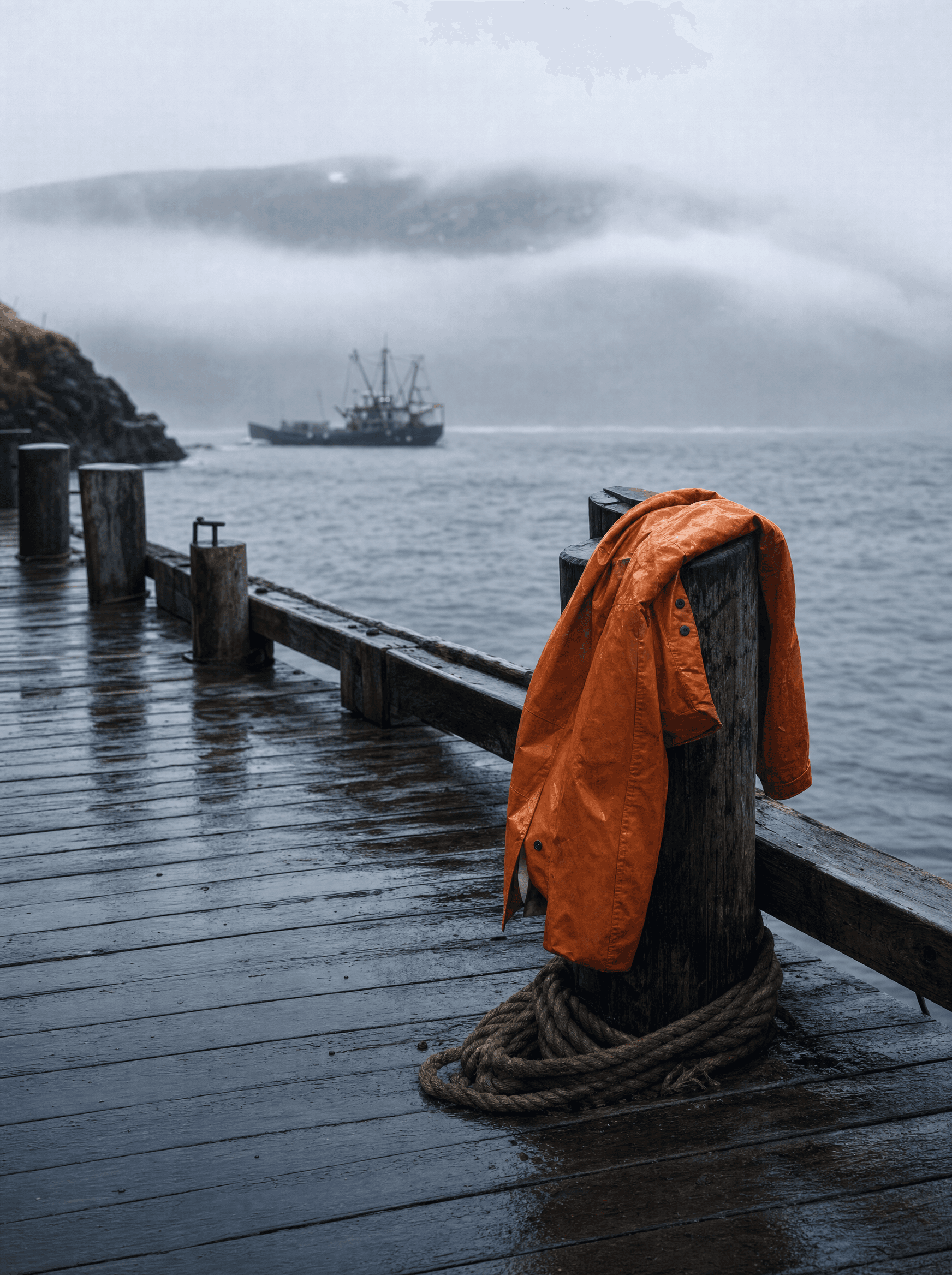
Salt of
the harbor.
Take 03 · 4:3 OOH
Acme · SocialDAILIES
A warmer
frame.
Take 12 · 9:16 vert
§ 01 · Studio

A control room for the work, not the prompts.

Briefs, dailies, variants, comments, approvals — all organized by Client and Campaign. Not a chat sidebar. Not a folder. A studio.

backlot.acme.local · session #s-04a2
STUDIOVAULTDISPATCH
Acme Co. / Q3 Launch / Concept 04
Stage 03 — Review
ACME · Q31920×1080 · 16:9 heroAutumn, opened slowly.
PLAYING · 0:08
Dailies
take 07v.07
Adapted for4 channels · 1 concept
B1:1
Instagram feed1080×1080
C9:16
Stories / Reels1080×1920
D16:9
Display / CTV1920×1080
E4:3
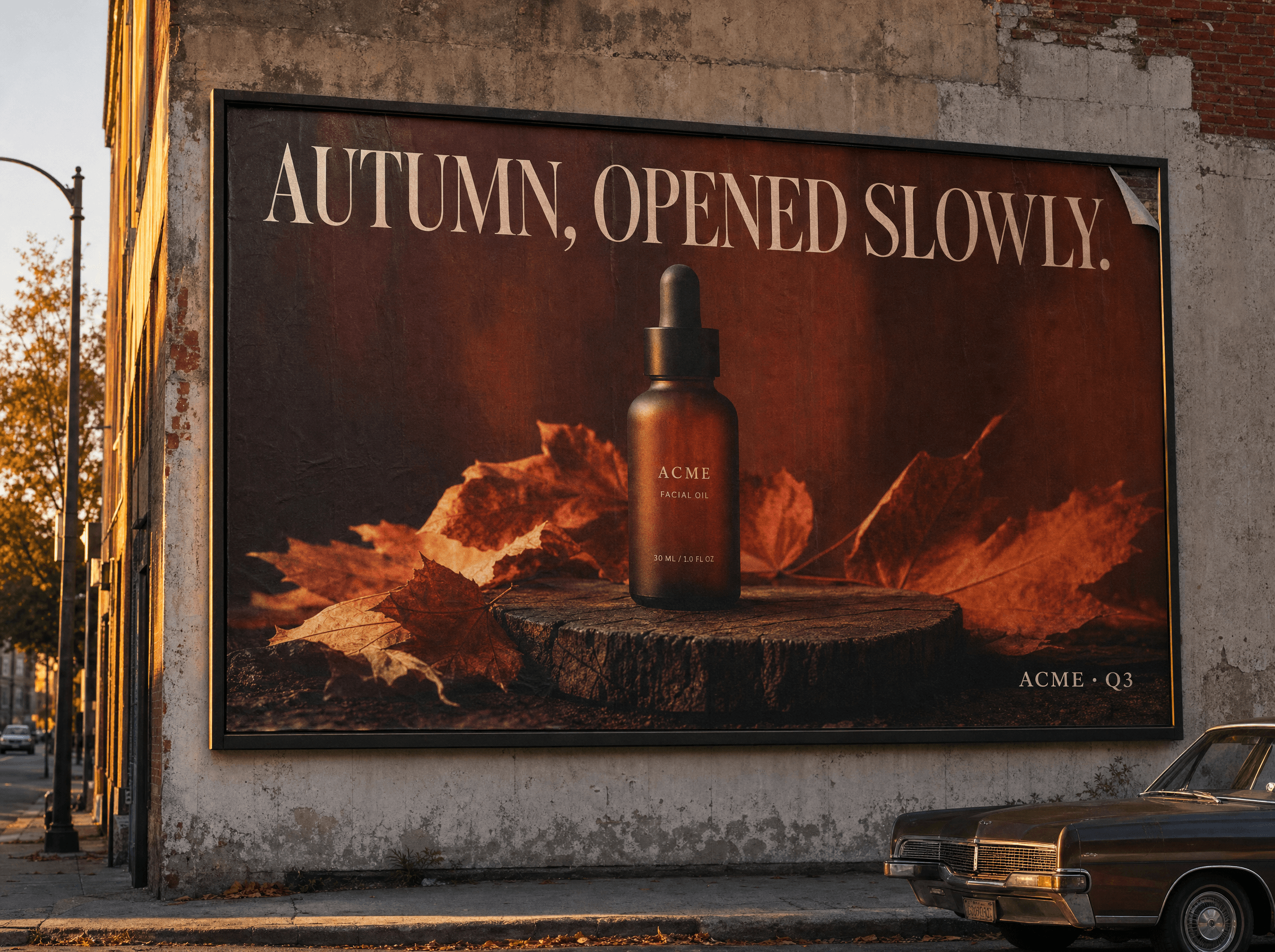
Billboard / OOH2400×1800
We didn't need another model wrapper. We needed a producer's desk — somewhere briefs, agents, and approvals could live in the same building.
Mohammad Dayem · Head of Delivery, Nettaworks
Briefs.Concepts.Variants.Dailies.Approvals.Delivery.Briefs.Concepts.Variants.Dailies.Approvals.Delivery.
§ 02 · The system

The pieces of a production, modeled.

Briefs, agents, assets, reviews, approvals — Backlot OS gives every part of creative production a real object, a real history, and a real seat at the table.

01 · BRIEFS

Briefs that brief.

Structured briefs with brand kits, channels, specs, and constraints. Agents read them. Reviewers cite them. Versions remember them.

02 · AGENTS

An AI crew, on payroll.

Concept, art-direction, brand-guard, copy, and finishing agents. Pluggable models. Roles and permissions. Egress controls per agent.

CDconcept-directlive
BGbrand-guardlive
FNfinishingidle
03 · VARIANTS

Variants, not a single shot.

Every concept fans into variants and takes. Compare, branch, and roll back. Approvals attach to versions, not vibes.


Variant A thumbnail
Variant B thumbnail (selected)
Variant C thumbnail
Variant D thumbnail
04 · REVIEW

Chat-based review loops, anchored to the work.

Threads pinned to assets, regions, and timestamps. Annotations carry through revisions. AI agents can be summoned into the thread to redirect, regenerate, or compare.

DTDevon T.
@brand-guard verify the lockup margin on take 04.
Abrand-guard
Margin 18px / spec 24px. Suggesting auto-fix.
05 · STAGES

Stage gates, stamped.

Brief, Concept, Variant, Asset, Approved, Delivered. Required reviewers per gate. Audit-grade history.

06 · VAULT

The Vault.

A local, content-addressed asset library. Every render, plate, and revision — versioned, deduped, and yours.

07 · DISPATCH

Egress on a leash.

Vendor allowlist, per-agent quotas, signed dispatch logs. Know exactly which model saw which brief, and when.

→ vendor.openai200 OK
→ vendor.higgsfield200 OK
→ vendor.runway429 throttle
→ vendor.anthropic200 OK
08 · DELIVERY

From approved take to delivered campaign — without leaving the lot.

Pack approved assets into channel-ready specs. Push to Drive, S3, ad managers, or signed client review links. Backlot OS treats delivery as the final stage gate, not a hand-off into the void.

§ 03 · Workflow

From brief to approved asset, in five takes.

Every campaign moves the same way through Backlot OS — a clean, governed line from idea to ship.

01
Brief
Drop the deck, the brand kit, the channels. Backlot parses spec into a structured brief.
≈ 4 min · 1 reviewer
02
Concept
Concept agents propose directions. Compare side-by-side. Pick, fork, or redirect with a sentence.
≈ 12 min · agents × 3
03
Variant
Each concept fans into variants and takes. Brand-guard runs in the background; cuts get stamped.
≈ 30 min · 4 takes/var
04
Asset
Promote a take to a versioned asset. Annotated review threads travel with it. Ready for stage gate.
≈ 8 min · 2 reviewers
05
Approved → Delivered
Stamp it. Pack to channel specs. Dispatch to ad manager, vendor, or client review link.
signed & logged
§ 04 · Vocabulary

A studio talks like a studio.

Backlot OS borrows its vocabulary from production sets — because creative work has always had names for these things.

noun · /ˈbak.lɒt/
Backlot n.
The studio behind the output. Sets, props, crews, lighting — the controlled space where the work is staged and made real.
workspace
Rooms n.
Threaded conversations attached to a campaign or concept. Where humans and agents direct, redirect, and decide.
feed
Dailies n.
Each morning, a curated reel of overnight generations. Stamp, cut, or push to review without opening 14 tabs.
workflow
Stages n.
Brief → Concept → Variant → Asset → Approved → Delivered. Required reviewers, audit log, no skipped sets.
storage
Vault n.
Content-addressed asset filesystem. Every render and revision — versioned, deduped, and on your hardware.
network
Dispatch n.
The egress log. Every external model call, signed and accountable. Vendor allowlist, per-agent quotas, full receipts.
§ 05 · Self-host

Your studio.
Your silicon.

Briefs are sensitive. Brand kits are leverage. Approved assets are revenue. Backlot OS runs on your own infrastructure — laptops, on-prem boxes, or your private cloud.

Bring your own models. Bring your own vendors. Bring your own keys. We don't see your data because we never have it.

  • Single-binary install · ~12s cold start
  • BYO models · OpenAI, Anthropic, Higgsfield, local
  • Vendor allowlist + signed egress logs
  • SSO, RBAC, audit-grade history
  • Open source · MIT licence
~/acme — backlot
# 1. install
$ brew install backlot
→ backlot v0.4.2 ready

# 2. spin up your studio
$ backlot studio start --client acme
→ studio at https://localhost:8788
vault initialized at ~/.backlot/vault
dispatch log enabled · vendor allowlist: 4

# 3. ingest a brief
$ backlot brief ingest ./acme-q3.pdf
→ brief #b-04a2 · 7 channels · 3 specs

# 4. let the crew work
$ backlot agents run --brief b-04a2 --concepts 4
4 concepts · 16 variants queued for dailies
§ 06 · Compare

Generation tools make images.
Backlot OS makes campaigns.

A model wrapper is a tool. A studio is infrastructure. The difference shows up the moment a real client brief lands in the inbox.

Standalone gen toolsBacklot OS
Unit of work·A prompt, a renderClient → Campaign → Brief → Concept → Variant → Asset
Where briefs live·Pasted into a chat boxStructured, versioned, agent-readable
Brand consistency·Re-uploaded each sessionBrand kits + brand-guard agent on every render
Review & approval·Slack thread + screenshotsPinned annotations, stage gates, audit-grade history
Versioning·Whatever's in your downloads folderContent-addressed Vault, every take preserved
Where data goes·Vendor cloud — opaqueSelf-hosted; signed dispatch log on every call
Multi-client·One workspace, leaked contextClient-isolated workspaces by design
Where it ends·An exported fileApproved → packed → delivered, in one stage gate
§ 07 · Q&A

Things producers ask first.

No. Backlot OS is the operating layer around generation tools. It models clients, campaigns, briefs, agents, assets, and approvals — and it plugs into the model providers you already use (OpenAI, Anthropic, Higgsfield, Runway, your local stack). Think production company, not camera.
Briefs, brand kits, and unreleased campaigns are some of the most leverage-rich data an agency holds. Self-hosting means client data never lands on a vendor's analytics pipeline. Run it on a laptop, on-prem, or a private VPC.
All of them. Backlot OS treats models as pluggable adapters. Today: OpenAI, Anthropic, Higgsfield, Runway, ElevenLabs, and local Ollama / vLLM. The vendor allowlist + dispatch log gives you per-agent control.
Hard isolation. Each Client gets its own workspace, its own Vault namespace, its own brand kits, and its own egress allowlist. Agents cannot see across clients without an explicit grant.
Yes — MIT licence. The full server, CLI, agent runtime, and vault are open. We sell hosted Backlot, premium adapters, and an enterprise tier — not the core platform.
Founding partner cohort is open now to a hand-picked group of agencies and brand teams. v1 ships this summer — open-source under MIT, free to self-host from day one. Apply below — we onboard partners every Friday.
No. Humans direct, agents execute, approvals stay with people. The studio metaphor is the point: a director and a crew, not a button that prints campaigns.

Help direct the alpha.

Backlot OS will be open source. The founding partner program is for agencies and brand teams who want to shape what we ship. Tell us about your studio, your clients, and the work you're already running with AI — we onboard partners every Friday.